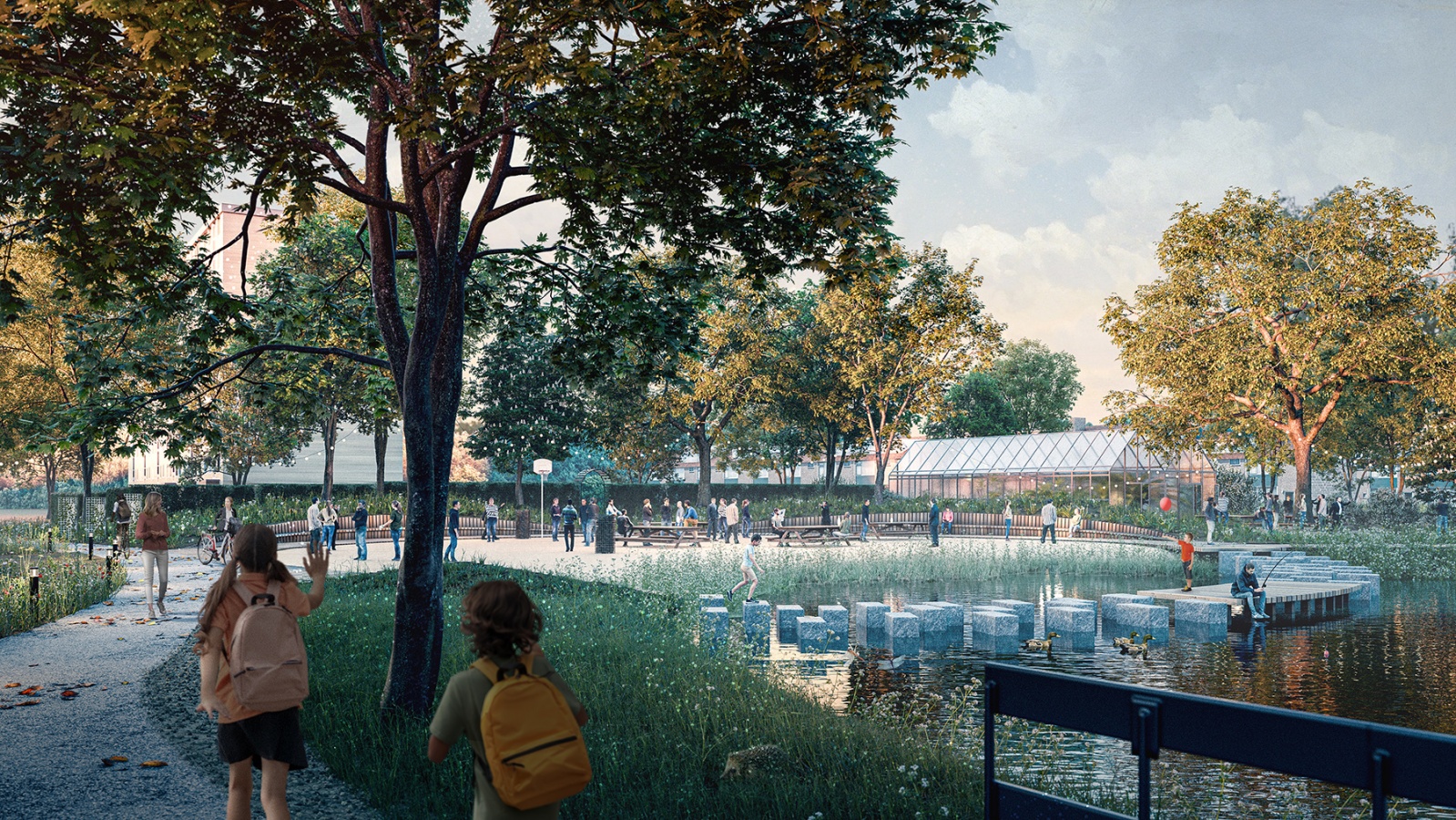
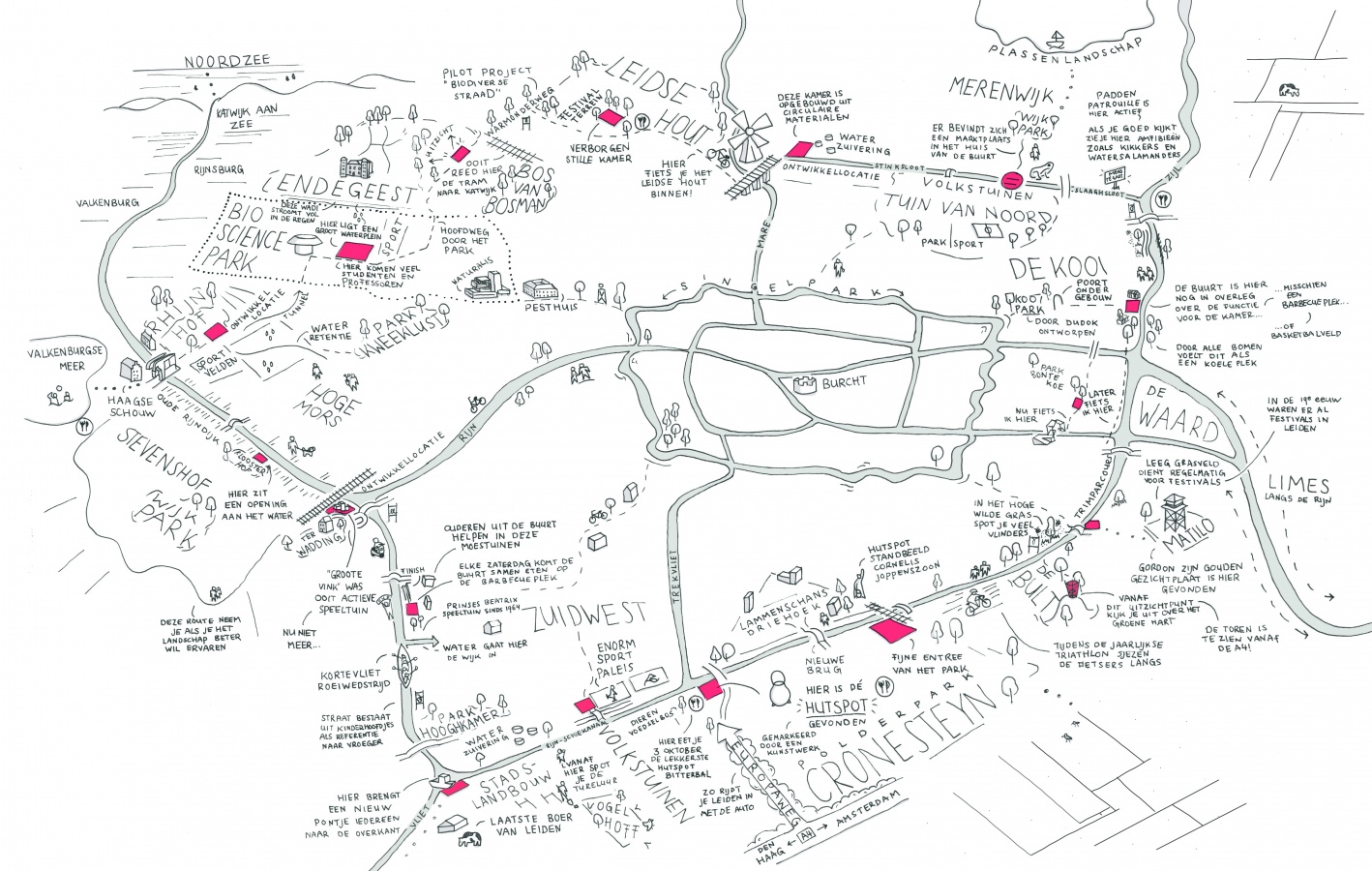
In the summer of 2024, the municipality of Leiden launched an ideas competition for the Second Green Ring. Following the success of the Singelpark around the historic city center, the idea emerged to connect the parks and waterways along the city’s edge into one continuous whole — a green-blue ring where residents of the densely built city can recreate, exercise, experience nature, and meet one another.
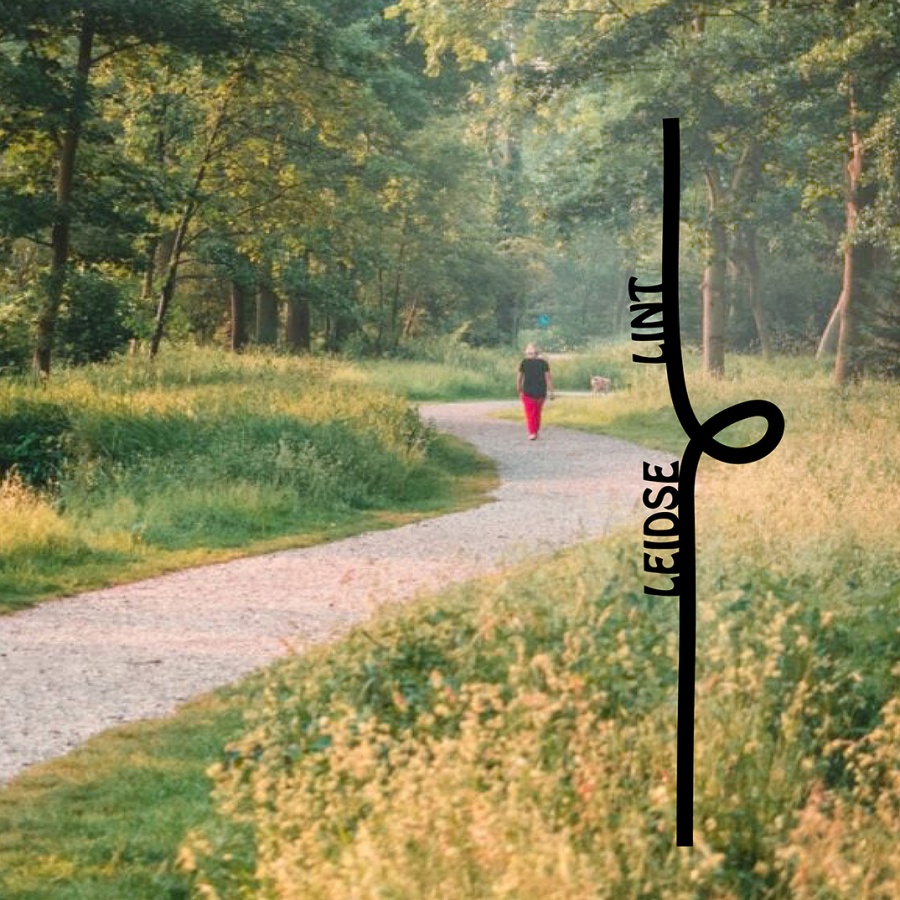
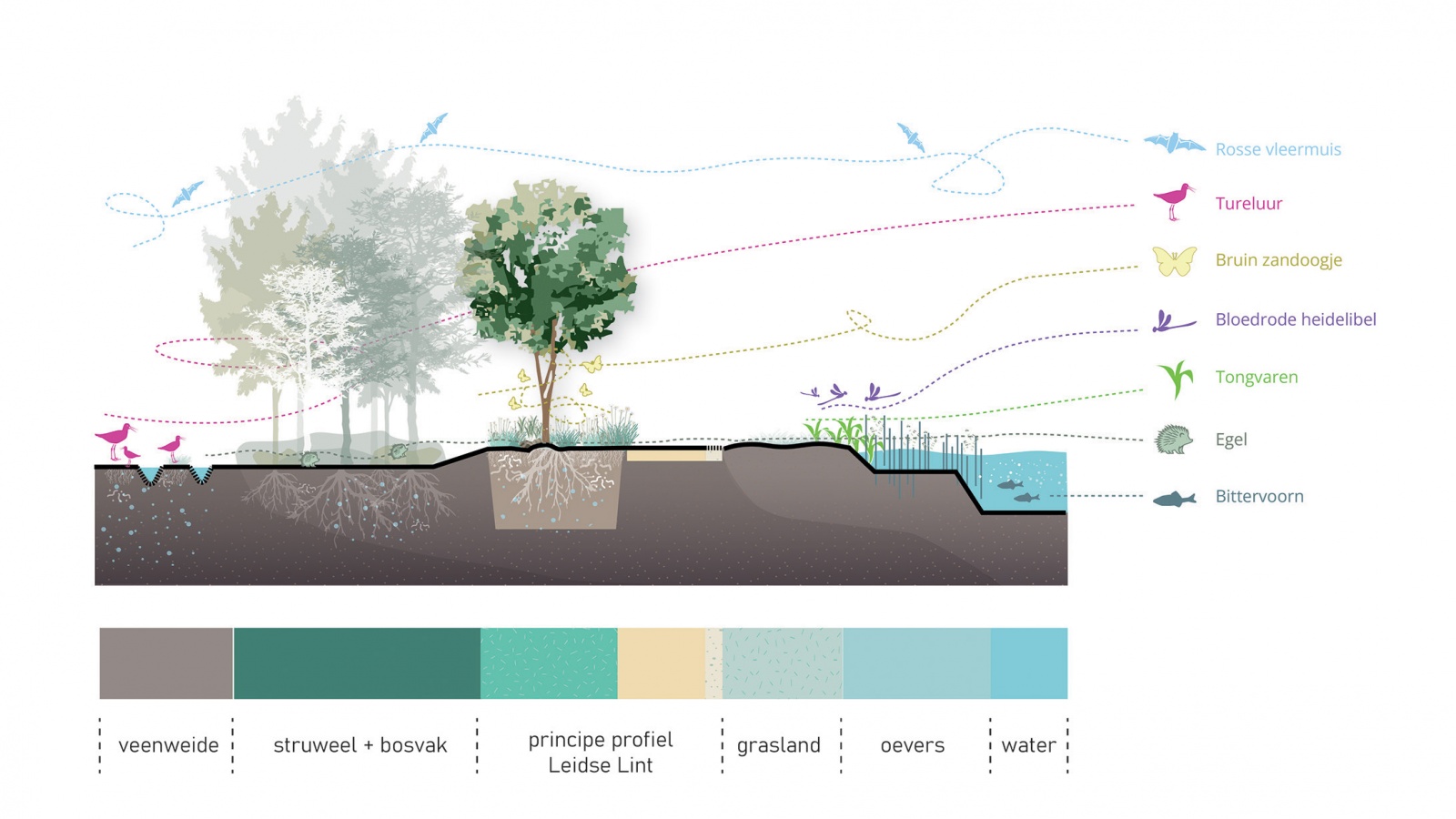
Studio VVKH, together with partners in the fields of landscape architecture, water management, ecology, and industrial design, submitted a vision titled ‘Het Leidse Lint’ (“The Leiden Ribbon”). With this vision, we were among the three finalists invited to present their plans to a broad jury in March of this year. The citizens of Leiden were also able to view the proposals and share their opinions.
Our submission achieved second place. The winning proposal was ‘Panoramapark’ by Polyfern. We are proud of this result and greatly enjoyed developing our ideas for the city. The importance of outdoor space — for people, plants, and animals alike — will increasingly come to the forefront of design at all scales in the years ahead.
You can download the presentation boards of ‘Het Leidse Lint’ here.
The design team consisted of:
VVKH, Jan Maurits van Linge (landscape office Xi-ontwerp), Simon Akaya (npk design), Yasmin Stip (Stip werkt), Harma van der Meer (TU Delft), and *Ada Jaśkowiec.
| Architects | Krijn Tabbers, Ronald Knappers |
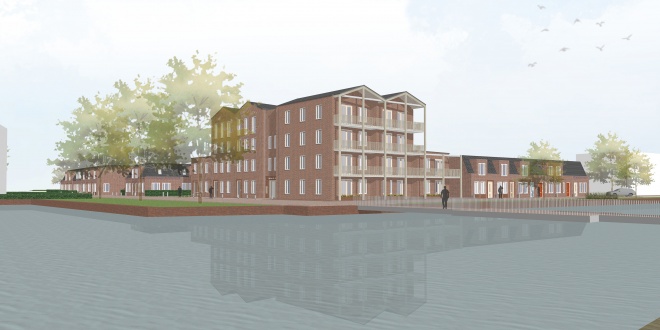
Middelsee is the expansion plan on the southwest side of Leeuwarden, based on an urban design by West 8. The Frisian water city serves as a source of inspiration. Commissioned by the smallest housing association in the Netherlands, we have designed a plan for homes arranged around two green courtyards. It forms a small-scale community with plenty of space for encounters, and a robust waterfront with the apartment building as its eye-catcher.
Using simple means, variety is created so that no more than two houses are ever the same. The foundation remains consistent: a compact floor plan, lightly jointed red brickwork, and solid white window frames. We introduce variation through a dormer or a brick roof extension, a roof edge detail, or a distinctive entrance feature. The client’s existing housing stock in Leeuwarden’s city center also served as inspiration — a characteristic working-class neighborhood with abundant greenery.
In our plan, residents meet each other around private stoops and gardens bordered by low hedges, as well as along the wide galleries on the timber façade of the apartment building. Shared bicycle storage areas and shared cars also contribute to the sense of community.
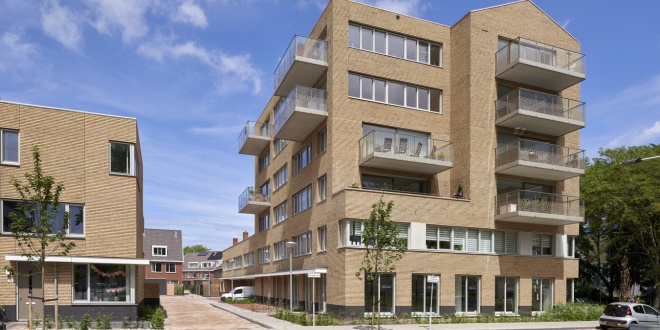
In cooperation with Smits bouwbedrijf, VVKH has won the european tender to develop a new housingarea in district Dieperhout in Leiden. The project consists of 48 dwellings, 12 apartments and a care facility of 1500m². Start of the constructionwork is planned in may 2015, because thats when a current school will move to a new building and the site will be available.
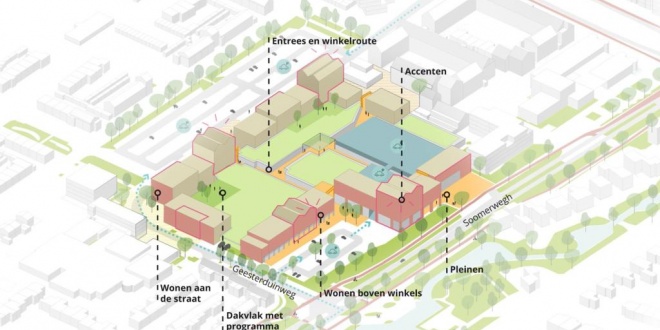
VVKH, commissioned by Hoorne Vastgoed, developed the development vision for housing on top of the existing shopping center in the center of Castricum. The inward-looking shopping center, dating from the 1970s, is a single-story development with parking at ground level surrounding it. The shops are supplied from the outside, resulting in many unattractive rear entrances. There is little connection with the residential areas that have grown up around the shopping center. By adding housing to the plan, the development will reconnect with the surrounding area. Some of the housing will be positioned above the shops, and some will have front doors facing the street. These new frontages will enhance public safety, while the logistics will disappear from view. The shopping center will be clearly visible with a new entrance to Soomerwegh, the access road to the village. A new square will be added here, creating a pleasant atmosphere. By designing the entrance areas of the shopping center as new squares, the connection with the surrounding area will be strengthened. Geesterduin's stony surroundings will become greener. The plan will be nature-inclusive, providing space for flora and fauna through the addition of roof gardens, vertical greenery, and green landscaping in the squares. The entire plan will be made sustainable, with the preservation of the existing shopping center as a starting point.
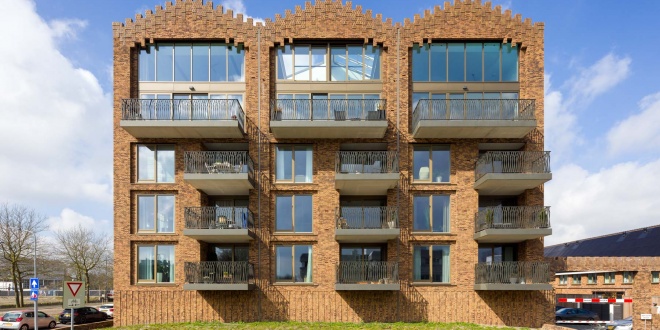
At the beginning of the Kruisweg, the housing project ‘Gemaalhuis’ marks the entrance to Hoofddorp. In collaboration with Timpaan, RROG Urban Planning and Landscape and IBB, moes have been realized in a place where offices used to dominate in the past.
The design for 83 dwellings near the center of Hoofddorp provides a transition between the village ribbon development along the Kruisweg and the large, urban scale that Hoofddorp aspires to. At the design site, the original polder structure was situated perpendicular to the direction of the rest of the Haarlemmermeer. In the design, a passage has been made here in the building block: a quiet residential court without cars and shared use of public space. The buildings are all-sided, refers to the past and seems to have been there for some time without being historicizing. The architecture is robust and stony. Rich brick details refer to the steam pumping stations that stood at the beginning of the creation of Hoofddorp. The complex is a neighbourhood in itself and has variety of housing typologies; single-family houses, veranda houses, terrace houses and apartments. The apartments are designed as freely divisible lofts.
The homes were completed in June 2020.